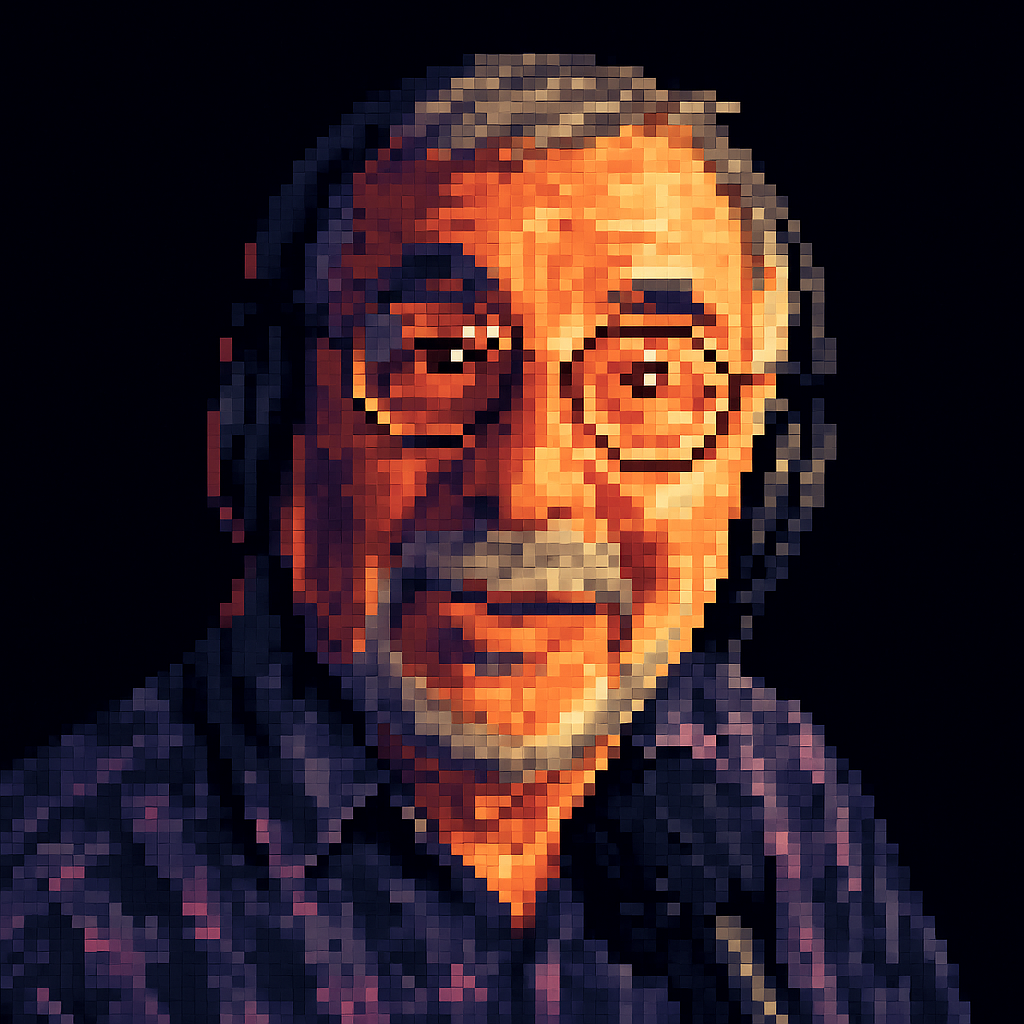
LONDON — The world of snooker and television entertainment lost one of its most distinctive and beloved figures with the passing of John Virgo, who died at the age of 78. Virgo’s life was a remarkable journey from a gifted, if not quite world-beating, professional player to becoming the definitive voice and face of snooker for a generation of British viewers. He was, in every sense, a ‘special’ talent who became a household name.
Born in Salford, Lancashire, in 1946, Virgo’s love for snooker was ignited in the working-men’s clubs of the North of England. He turned professional in 1976, entering the sport just as it was on the cusp of a television-driven explosion in popularity. His playing career, while overshadowed by the dominance of Ray Reardon, Steve Davis, and later Stephen Hendry, had moments of pure, unforgettable brilliance that cemented his legacy as a player of immense skill and nerve.
The Player: A Moment of Immortal Genius
John Virgo’s peak as a competitor came in 1979 at the UK Championship, then the second-most prestigious title in the game. In the final against Terry Griffiths, the reigning World Champion, Virgo found himself needing a snooker on the final pink and black to stay in the match. With Griffiths in control, Virgo produced a tactical masterclass, laying a series of exquisite snookers. He eventually cleared the colours to win the frame, the match, and his only major professional title. It was a victory forged from sheer determination and tactical intellect.
Yet, the moment that truly immortalised John Virgo in snooker folklore occurred a year later at the 1980 World Championship. In his first-round match against the legendary Canadian, Cliff Thorburn, Virgo performed what is still regarded as one of the greatest clearances in the history of the Crucible Theatre. Trailing and with the balls in awkward positions, he embarked on a breathtaking, frame-winning break. The commentary, by the revered Ted Lowe, perfectly captured the moment: "And for those of you watching in black and white, the pink is next to the green."
That clearance, replayed for decades, showcased Virgo’s key strengths as a player:
- Precision Potting: An innate ability to sink long and awkward balls under pressure.
- Tactical Acumen: A deep understanding of safety play and table strategy, honed in the clubs.
- Showmanship: A flair for the dramatic, an understanding that snooker was also entertainment.
While he never again reached such heights in tournament play, his reputation as a player of immense talent and a wonderful sportsman was secure. He retired from the professional tour in 1994, but his greatest contribution to the sport was only just beginning.
The Voice: Defining Snooker for a Generation
As the BBC’s coverage of snooker expanded in the 1980s, they sought a fresh, knowledgeable voice to complement the established commentators. Virgo, with his recent playing experience, sharp wit, and unmistakable Northern accent, was the perfect choice. He quickly became a fixture, forming a legendary commentary partnership with the more stately, poetic voice of fellow former champion, Dennis Taylor. Their chemistry was electric, blending Taylor’s gentle Irish lilt with Virgo’s more excitable, analytical style.
Virgo’s commentary was never just about stating the obvious. He brought the viewer into the mind of the player. He would anticipate safety shots, explain the nuances of positional play, and convey the immense pressure of the Crucible Theatre. His catchphrases entered the national lexicon. A difficult pot would be met with a drawn-out, "Where’s the cue ball going?!" A missed opportunity would elicit a sympathetic, "Oh, and that’s a bad miss."
His most famous role, however, was as the presenter and resident trick-shot maestro on the iconic BBC show Big Break. From 1991 to 2002, the show brought snooker into Saturday night prime-time, blending amateur competition, celebrity guests, and Virgo’s incredible exhibition segment, "Pot Black." Here, he would perform seemingly impossible shots with a magician’s flair, often involving multiple balls, props, and his signature line delivered with a twinkle in his eye: "Let’s see if we can pot this one... and leave him right behind the pink!"
The Character: A Man of the People
What made John Virgo so enduringly popular was his everyman quality. He never lost his connection to the club players who adored him. He was a fan who had been lucky enough to play and talk about the game he loved for a living. This genuine passion was palpable. Whether commentating on a World Final or performing a trick shot for a studio audience, his enthusiasm was infectious. He was a bridge between the rarefied air of the professional circuit and the millions who played the game in pubs and social clubs.
Even after Big Break ended, Virgo remained a central figure. He was a regular commentator on the BBC’s snooker coverage until his retirement in 2022, and his "Shot of the Championship" segment at the World Championship became an annual highlight. His opinions were respected, his humour was cherished, and his voice became synonymous with the sport itself.
A Legacy of Passion and Personality
John Virgo’s passing marks the end of an era in snooker broadcasting. In an age where sports commentary can sometimes feel homogenised, Virgo was a true original—a character full of warmth, knowledge, and unscripted joy. Tributes from across the snooker world have poured in, with current world champion Ronnie O’Sullivan calling him "a great man who did so much for snooker, both as a player and a commentator."
His legacy is multifaceted: the UK Champion who seized his moment; the author of an all-time-great Crucible clearance; the voice that explained snooker’s complexities to the nation; and the entertainer who made millions smile on Saturday night television. More than anything, John Virgo was a custodian of snooker’s spirit. He understood it was a game of intense drama, deep skill, and, ultimately, great fun. He was, as the title of his autobiography declared, "A Very Special Snooker Player." For those who watched and listened, he was also a very special broadcaster, and an irreplaceable part of the fabric of British sport.